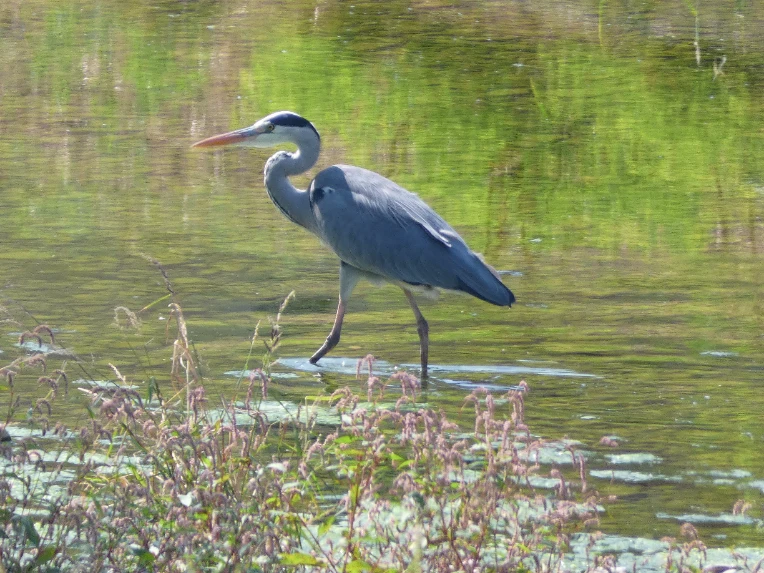
Another photography blog I would like to share featuring my most favourite photographic subjects and a little nocturnal surprise. Let's begin with some pics of the grey heron (Ardea cinerea cinerea):
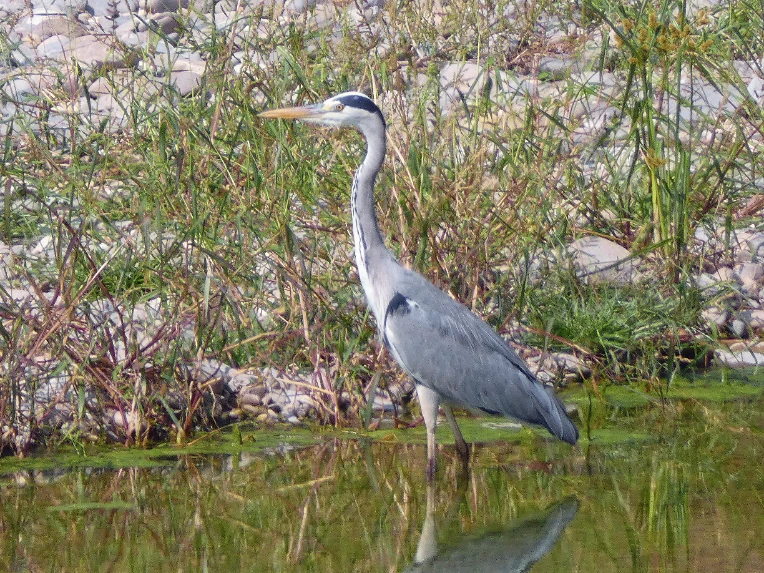
This one is my favourite because of the reflection of the bird on water:
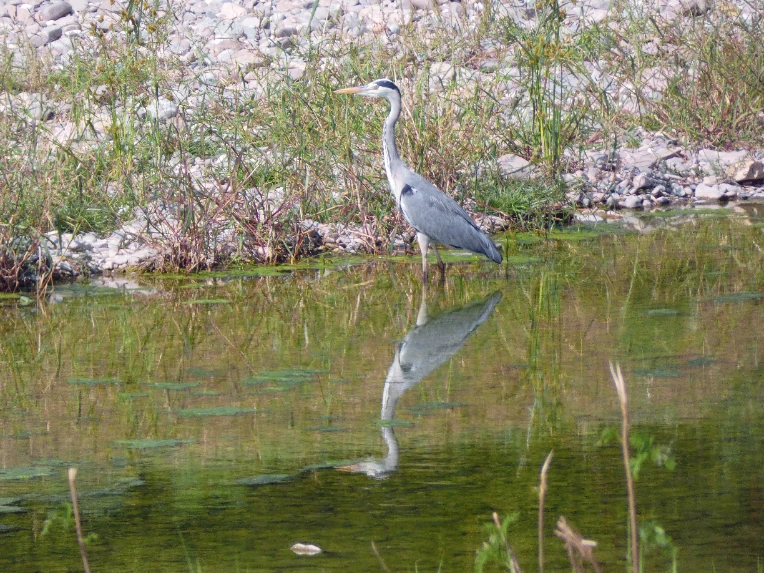
I already had occasion to photograph this species but photo was more distant than these pics, still a nice photo and I have to thank my irl best friend for noticing him/her. I could observe him/her walking in the water and drinking a bit. It was a nice sight.
Mallard (Anas platyrhynchos), male specimen
Finally the first time I could photograph my first Anseriformes bird species, the mallard aka wild duck (Anas platyrhynchos)
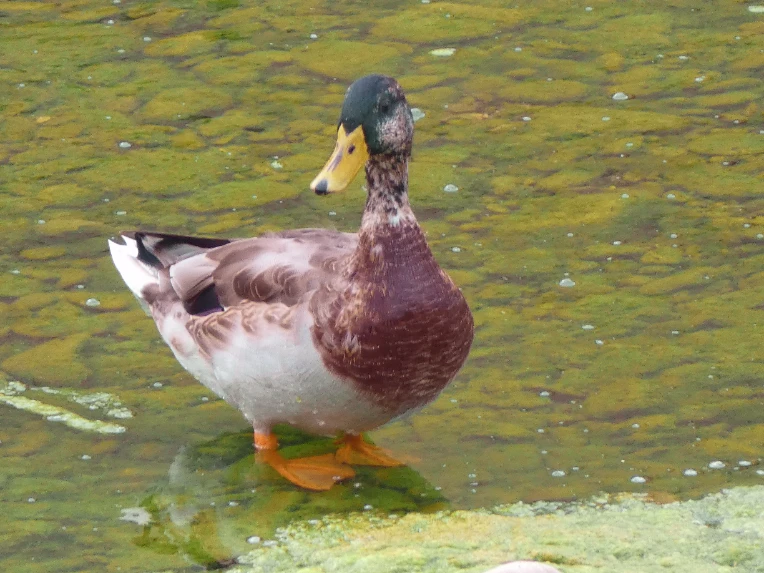
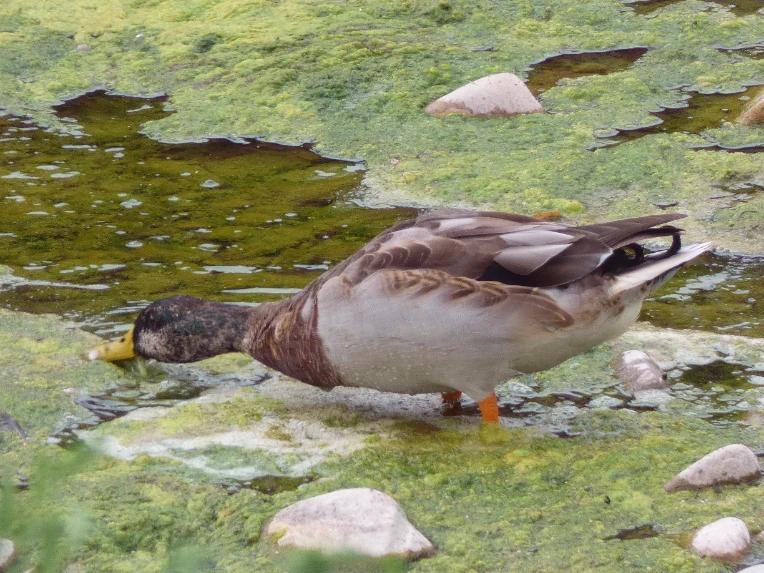
The mallard is a quite omnivorous species and people ignore how flexible this fella can be when it comes to food. People usually link them to a vegetarian diet or even the diabolical bread, but there are several factors that play a role in his diet, including the stage of the breeding cycle, short-term variations in available food, nutrient availability, and interspecific and intraspecific competition. For example during the breeding season, male birds were recorded to have eaten 37.6% animal matter and 62.4% plant matter, most notably the grass Echinochloa crus-galli, and non-laying females ate 37.0% animal matter and 63.0% plant matter, while laying females ate 71.9% animal matter and only 28.1% plant matter (1). Other food items include: gastropods, insects (including beetles, flies, lepidopterans, dragonflies, and caddisflies), crustaceans, other arthropods, worms, feces of other birds, many varieties of seeds and plant matter, and roots and tubers.
The male you see in the photos is in his eclipse plumage, but what is it? Eclipse plumage is a special type of plumage, typically dull or drab in colour that replaces colorful breeding plumages which can be found in ducks, geese, and other waterfowl species prior to molting. The term “eclipse” refers to the plumage being eclipsed or covered over by the dull feathers. Eclipse plumage provides camouflage and conceals birds during the molting period when they are vulnerable due to reduced mobility. It allows them to blend into their surroundings and avoid predation during this time. The eclipse plumage replaces the bright breeding plumage after nesting duties are completed. It is then replaced by fresh breeding plumage during the next molt. It occurs after breeding duties are completed, just prior to the annual molt when flight feathers are shed. In ducks and geese, eclipse plumage generally occurs from late June through September (I took these pics two weeks ago), although the exact timing varies by species.
This is another male duck I photographed, notice the yellow-greenish bill and the bright orange colour of the feet:
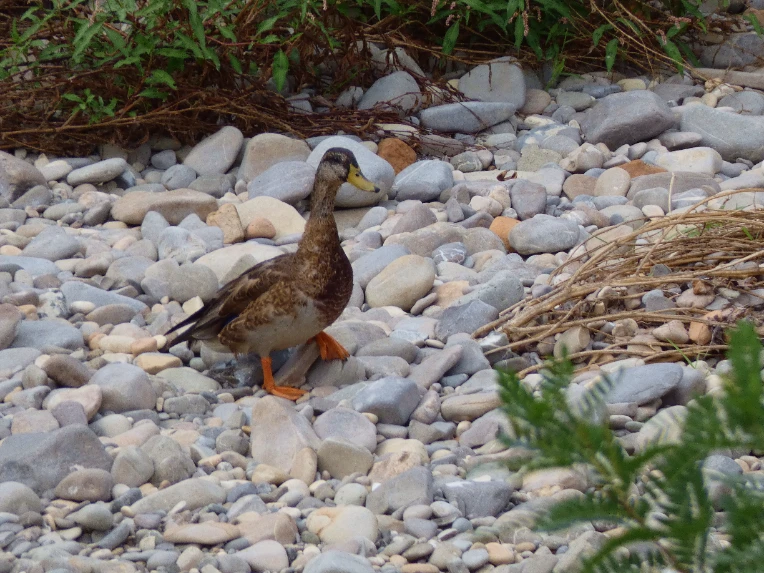
Both male and female mallards have distinct iridescent purple-blue speculum feathers edged with white, which are prominent in flight or at rest. In Italian the speculum feathers are called specchio alare.
Mallard (Anas platyrhynchos), female specimen
Here the female:
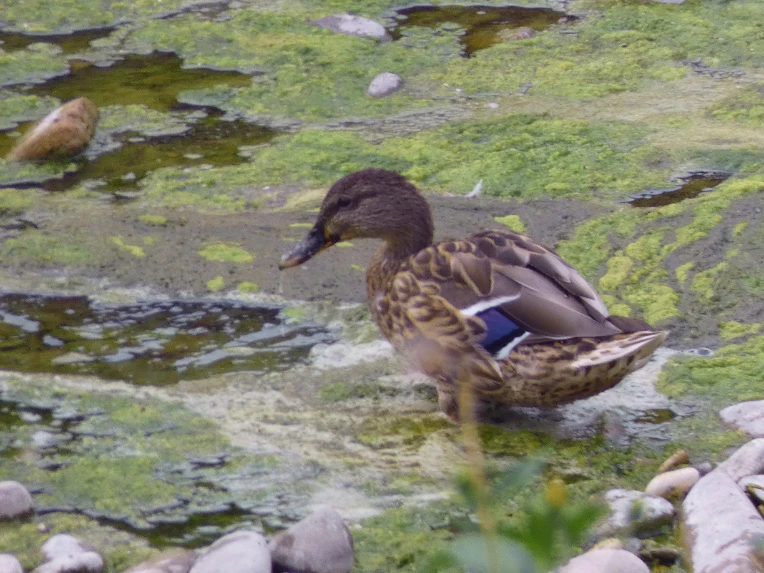
The female mallard is predominantly mottled, with each individual feather showing sharp contrast from buff to very dark brown, a coloration shared by most female dabbling ducks, and has buff cheeks, eyebrow, throat, and neck, with a darker crown and eye-stripe. I hope to take more photos of this bird species in future.
Little egret (Egretta garzetta garzetta)
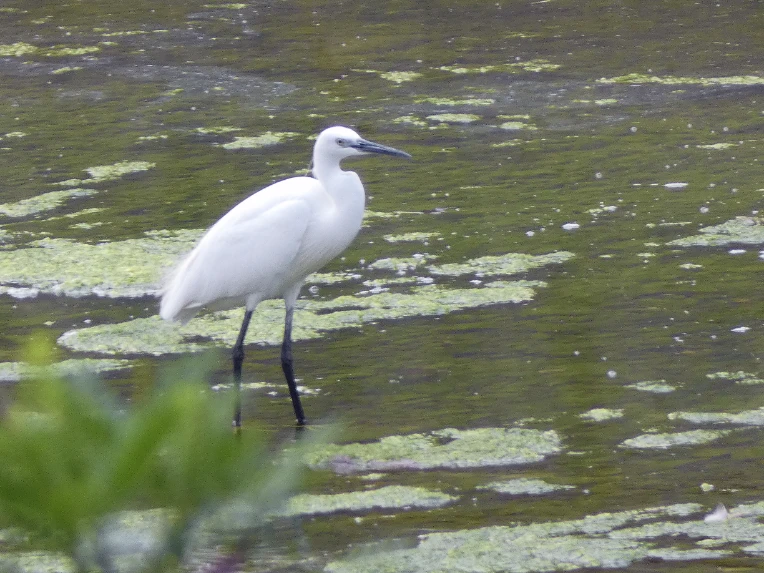
I was glad to photograph a little egret, a 55–65 cm long with an 88–106 cm wingspan, that can be seen in wetlands, waterways and shorelines. As you can notice the bird plumage is white, although there are dark forms with largely bluish-grey plumage. In the breeding season, the adult has two long plumes on the nape that form a crest. The bill is long and slender with black lores (the region between the eye and bill on the side of a bird's head). A trait that characterizes the species is the colour of the legs which are black with yellow feet. Juveniles are similar to non-breeding adults but have greenish-black legs and duller yellow feet, and may have a certain proportion of greyish or brownish feathers. The little egret's habitat varies widely, and includes the shores of lakes, rivers, canals, ponds, lagoons, marshes and flooded land, the bird preferring open locations to dense cover. On the coast it inhabits mangrove areas, swamps, mudflats, sandy beaches and reefs. Rice fields are an important habitat in Italy, and coastal and mangrove areas are important in Africa. The bird often moves about among cattle or other hoofed mammals.
The species is easily mistaken for other similar-looking species by those not trained to catch small details such as the western cattle egret (Ardea ibis) and the great egret (Ardea alba), especially the latter.
Nocturnal surprise
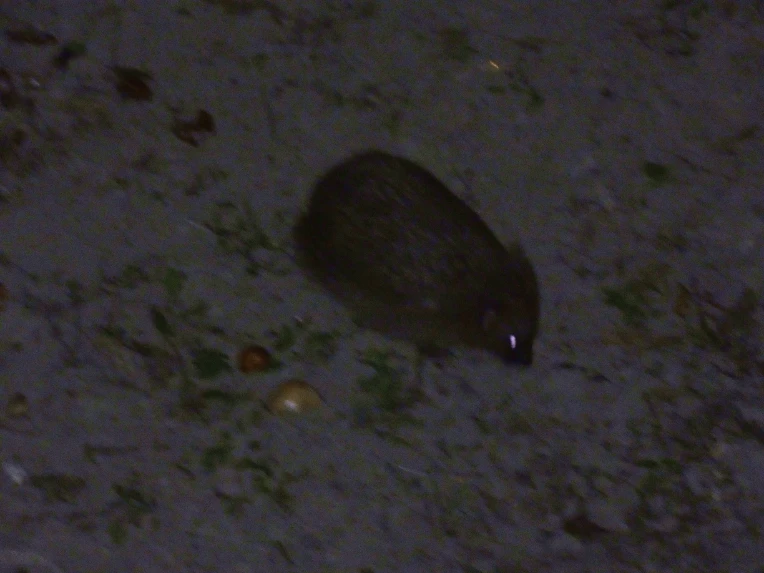
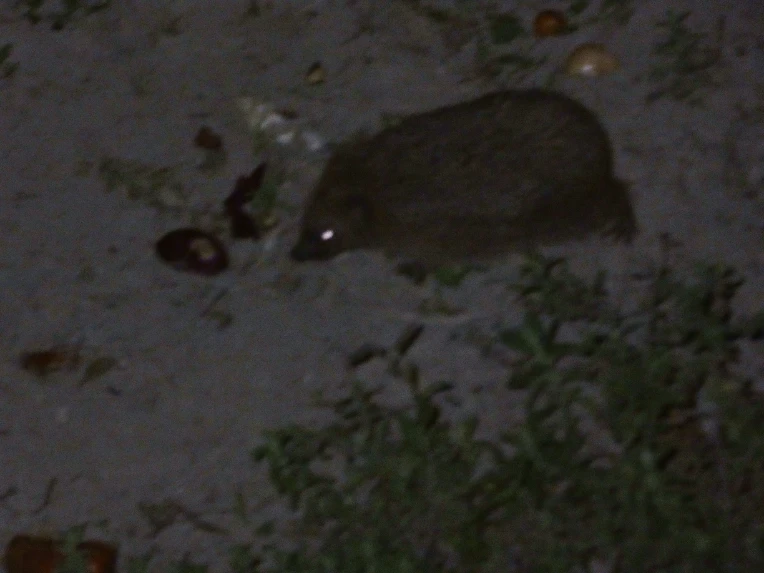
Finally I could take a pic of a fella that lives in my garden for almost a decade, maybe even a decade, which is rare considering bigger hedgehogs species live 4 up to 7 years, while smaller ones just 2-4 years. First time I saw him/her was in 1st November 2019, but his/her droppings were noticed in my vegetable gardens three years earlier. The photos are not that great because it was dark, night (12:00 AM), the animal moved relatively fast, camera took time to focus the animal and I had to use a torch to illuminate him and take the photo with my bridge camera. This is the third time I saw him/her, last time was two days ago when I was perching from my window to listen to the little owl that lives in my area. I heard some footsteps typical of a quadrupedal animal. The full moon helped me to see a shadowy figure moving. I initially thought it was a cat roaming in my garden, but then I noticed it was smaller and then I saw: the European hedgehog (Erinaceus europaeus).
European hedgehogs form nests where they spend much of their time. They construct three types of nest: breeding nests for birth and for protection of litters, day nests, which are used during the summer months, and winter nests or hibernacula, which are used for longer periods during winter months. Nests are often found under structures that can support them, such as roots or branches.
They are omnivorous animals, feeding on earthworms, as well as snails and slugs, beetles, ants, bees and wasps, earwigs, cockroaches, crickets and grasshoppers, butterflies and moths, and caterpillars and other insect larvae. Eggs of ground-nesting birds are also taken and carcasses may be foraged on. Hedgehogs may also eat lizards, snakes, frogs and small rodents such as mice. This hedgehog lives under my hedge to rest and sleep during the day and hibernate from October to April. I decided to call him/her Spinosa, a play on word between the adjective "spinoso/a" (spiny, thorny) and the Portuguese-Dutch philosopher Baruch Spinoza in which I substituted the "z" with the "s". Let's hope to be able to photograph Spinosa once again since he/she was my first wild mammal to photograph, but most of all I hope to see him/her for the years to come.
References and footnotes
(1) Swanson, George A.; Meyer, Mavis I.; Adomaitis, Vyto A. (1985). "Foods consumed by breeding mallards on wetlands of south-central North Dakota". Journal of Wildlife Management. 49 (1): 197–203. doi:10.2307/3801871. JSTOR 3801871

![Hank J. Wimbleton [Madness Day 2026]](https://art.ngfiles.com/thumbnails/5580000/5580276_full.webp?f1790111504)


![Robotic Flycatcher [Avianaugust + Robot Day 2026]](https://art.ngfiles.com/thumbnails/5528000/5528333_full.webp?f1787720172)
![Vermilion Flycatcher [Avianaugust 2026 WIP]](https://art.ngfiles.com/thumbnails/5519000/5519200_full.webp?f1787309334)


![Chuchu [Ref Sheet]](https://art.ngfiles.com/thumbnails/5585000/5585263_full.webp?f1790356443)







![SPELLING... [PICO & DARNELL ANIMATION]](https://picon.ngfiles.com/1023000/flash_1023874_card.webp?f1773753468)